
In an operating theatre every step can contribute to patient safety and the success of a surgical procedure. Team coordination, infection prevention and specific nursing practices play an important role in ensuring safe and effective care. In the Central African Republic, the MSF Academy for Healthcare has implemented a specialised learning programme for operating theatre nurses, to support them in applying their knowledge and strengthening their practices in their daily work.
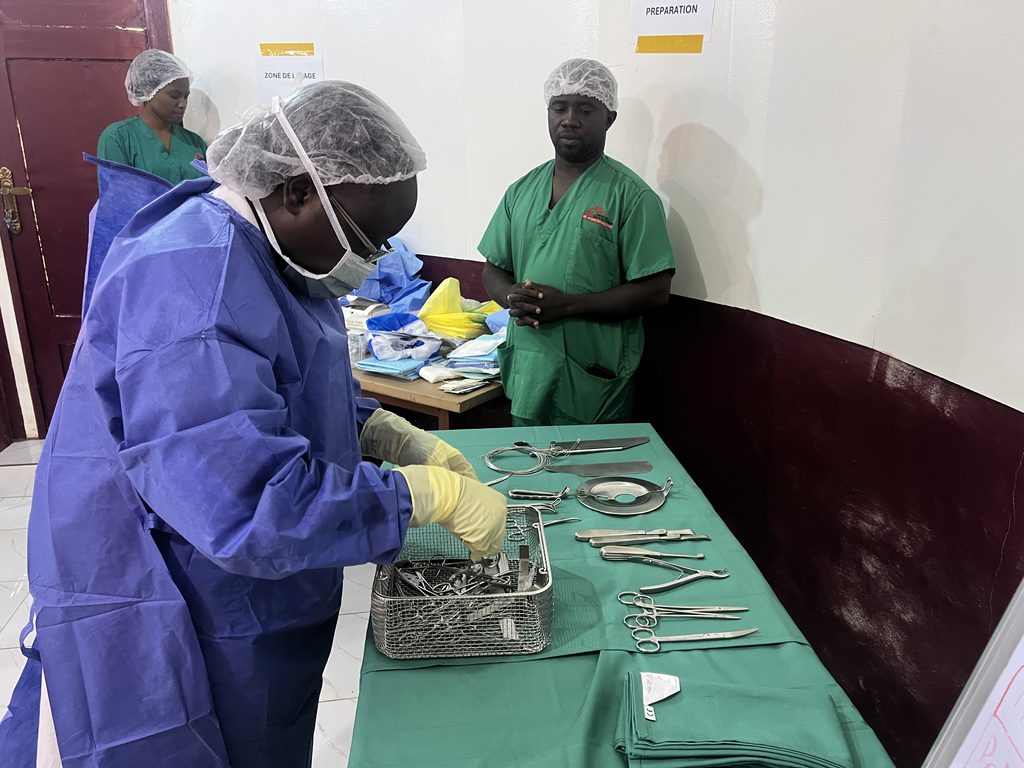
Shella Dero Yere is a 44-year-old nurse and supervisor in the operating theatre of the MSF trauma hospital in Bangui. She completed part of her nursing education in Morocco and, after returning to the Central African Republic, she observed differences between what she had learnt and the practices used in the operating theatre. Over the past nine months, as a supervisor and a participant in the MSF Academy learning programme, Shella has witnessed how the training had an effect on teamwork, infection prevention and the nurses’ sense of responsibility.
For Shella, the programme did not simply introduce new concepts, many of the practices were already known to the nurses, but the challenge was implementing them consistently. “The things we learnt at the Academy were things we already knew. But with the teams, we weren’t managing to put them into practice.”
Eighteen nursing staff members have successfully completed the Operating Theatre Nursing Care learning programme of the MSF Academy. Assessments conducted before and after the programme show clear improvements in participants’ knowledge and skills, particularly in areas such as preparing the operating theatre for surgery, pharmacy practices, obtaining patient consent, correctly identifying patients and safely moving and handling patients.
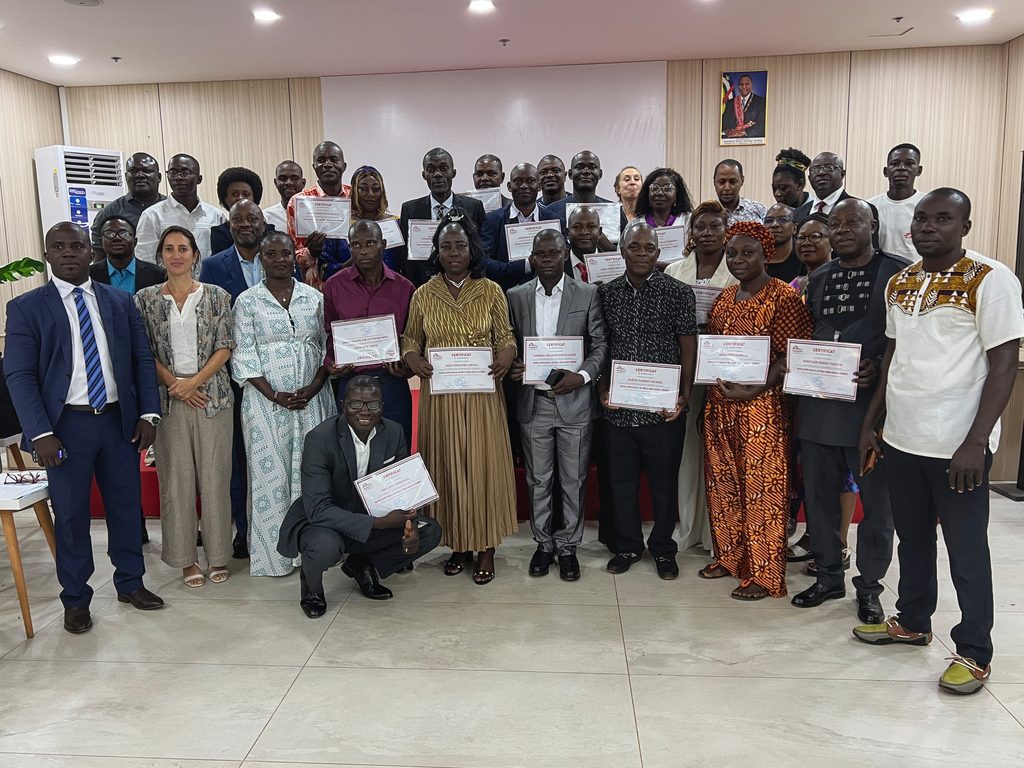
Christian Bonheur, an assistant nurse who has worked with MSF for 14 years and previously worked as a porter, also took part in the programme. “I feel very proud today. The beginning was difficult, but with the help of the mentors, we achieved a good result.”
For Florette Kaneza, the clinical mentor who led the implementation of the learning programme, one of the main challenges was the absence of a common foundation of knowledge and skills among the whole operating theatre nursing team. The programme aimed to establish a shared understanding of the role and common practices among the team. “We needed to have the same knowledge and the same skills to be a better team.”
Nurses are now taking greater responsibility for preparing and maintaining their working environment and assisting the surgeon better
The operating theatre being a multidisciplinary environment that brings together surgeons, anaesthesia and nursing staff, the changes have been noticed by other members of the team too. “The surgeons and anaesthetists have seen an improvement. For example, there is better hygiene practices, nurses are now taking greater responsibility for preparing and maintaining their working environment and assisting the surgeon better.”
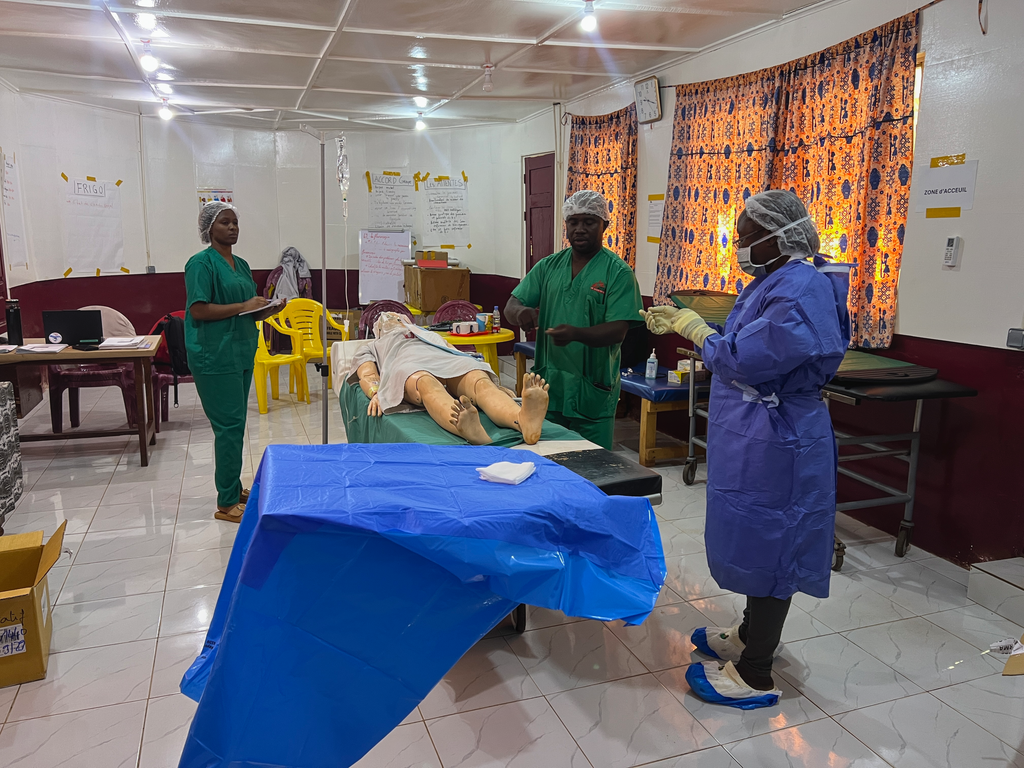
The changes are also visible in everyday practices. The surgical safety checklist is now used for every patient, communication with patients has improved and a wall board helps the whole team follow ongoing procedures. Patient transfers have also been improved through the use of a stretcher, reducing discomfort for patients and making the process safer for staff.
In a year from now, the MSF Academy will go back to the hospital to conduct another assessment with the participants to understand if the improvements have been sustained and whether participants maintained the knowledge and skills acquired during the learning programme.